

Introduction
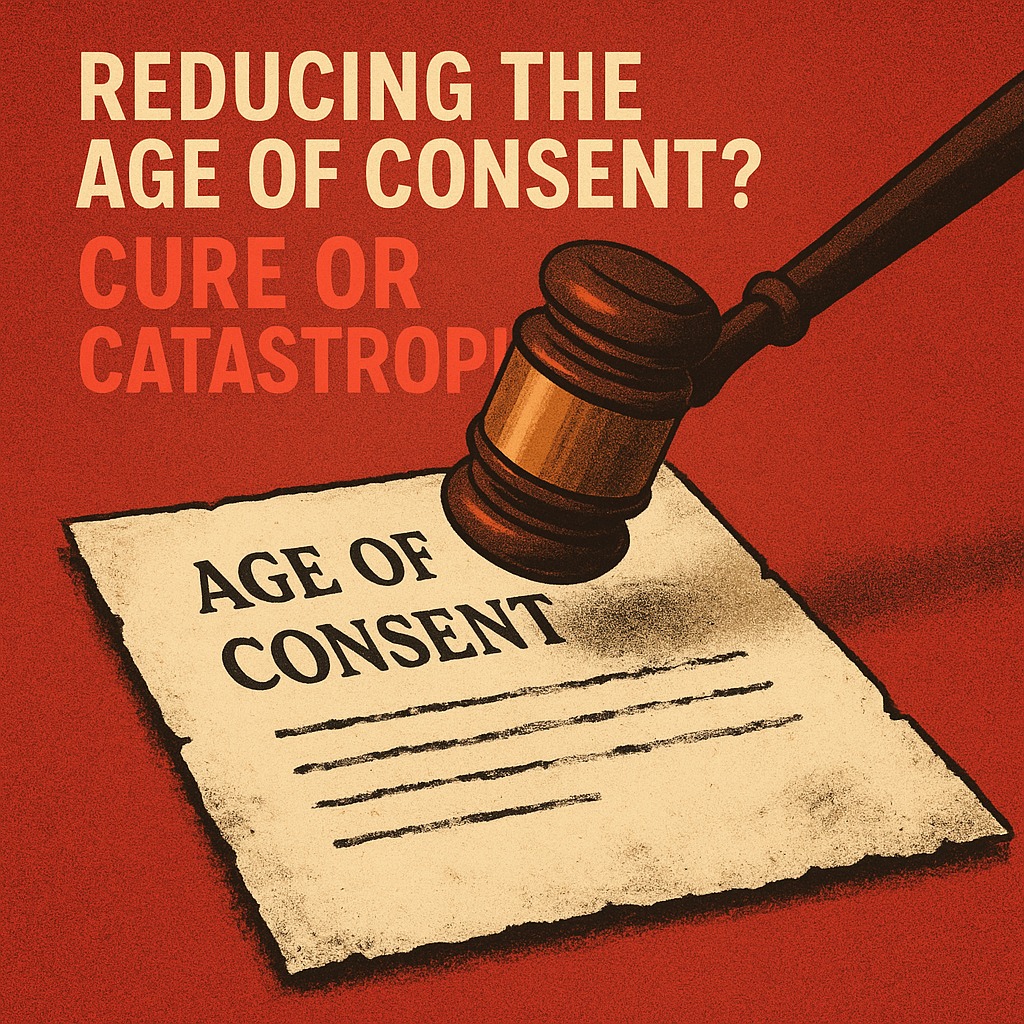
The question regarding the statutory age of consent is one of the fundamental tensions between protection and autonomy. In India, the Protection of Children from Sexual Offences (POCSO) Act, as it stands, treats any sexual activity with a person under 18 as a crime, rendering their “consent” legally irrelevant. As the Supreme Court recently reaffirmed in a rape conviction judgment citing that a 15-year-old’s consent is immaterial, it is also important to note that there has been a debate regarding the age of consent of a minor. While proponents argue that this change acknowledges adolescent agency, critics warn that it could open doors to greater exploitation of vulnerable girls, especially in contexts of power imbalance, coercion, and social inequality.
The Supreme Court’s Position: Consent Irrelevant for Minors
In a recent case, the Supreme Court upheld the conviction of a man for kidnapping and raping a 15-year-old, reaffirming that a minor’s consent is legally irrelevant. The court held that since the victim was under 18, the law presumes incapacity to consent, and any communication of willingness does not mitigate culpability. This “bright-line” rule provides certainty in prosecutions, avoids debates over subjective consent, and places protection above contested interpretations of intent.
Legal observers argue that this clarity helps protect minors from those who would manipulate or coerce them under the guise of “consensual” sex. Any move to dilute this doctrine, critics suggest, risks undermining a core tenet of child protection law, that minors are particularly vulnerable and in need of absolute safeguards.
However, another point to be noted here is that the age of the minor in the present case was 15 years, which is below the proposed reduction of age of consent to 16 years. The proposal itself aims to legalise adolescent relationships and not criminalise consensual acts between consenting adolescents.
Recent Proposals to Lower the Age of Consent
In recent months, various legal voices , including an amicus curiae, Indira Jaising, have urged the Supreme Court to reduce the age of consent from 18 to 16. Their arguments rest on changing social realities: that puberty occurs earlier, adolescents engage in romantic relationships, and criminalising consensual sexual activity between older teenagers may cause harm, stigma, or misuse of the law in romantic or inter-caste relationships.
Meanwhile, the Union Government has resisted this push. It argues that lowering the age would compromise protections, open the floodgates to trafficking and exploitation under the guise of consent, and dilute the deterrent force of POCSO and other statutes. In submissions, the government warned that weakening the legal presumption of vulnerability would roll back hard-won progress in child protection.
In the Supreme Court’s ongoing hearing (in the matter of Nipun Saxena v. Union of India), these competing perspectives will be weighed whether adolescent autonomy can coexist with protective legal structures or whether a reduced age would harm more than help.
Risks to Vulnerable Girls: Why Lowering the Age May Backfire
While recognizing the arguments for respecting teenage agency, there are strong reasons to fear that reducing the age of consent could worsen exploitation, especially for socially, economically, or emotionally vulnerable girls.
The first reason for this remains the power imbalances and coercion and coercion at play. Many exploitative relationships are not between equals. Older men in positions of authority, family members, neighbours, teachers, may pressure or coerce minor girls. A lower threshold of consent might allow abusers to invoke “consent” as a defense, making it harder to prove exploitation or abuse.
Another reason stands to be trafficking, child marriage & exploitation. The government warns that lowering consent could be used to mask child trafficking or forced sexual exploitation. Sexual predators might exploit a more permissive legal environment to justify exploitative relationships with minors.
Furthermore, the current law’s clean demarcation (below 18 = prohibited) avoids complex case-by-case consent analysis. Lowering the age may invite contentious determinations of maturity, consent, manipulation which can lead to inconsistent judgments and greater legal uncertainty.
Moreover, Girls from marginalized communities, impoverished backgrounds, or unstable homes are particularly vulnerable. They may lack access to recourse, counseling, or support. A diluted protection regime may further marginalize their voices and reduce institutional will to intervene.
Because of these risks, many analysts urge retention of 18 as the statutory age of consent, while introducing more nuanced legal tools (e.g. “close-in-age” exceptions, judicial scrutiny in adolescent cases) rather than a blanket dilution.
Conclusion
The debate over lowering the age of consent in India is not merely academic, it strikes at how we balance protection and agency for adolescents. The Supreme Court’s reaffirmation that “consent is irrelevant for minors” underscores a protective legal philosophy rooted in the recognition of minors’ vulnerability. While acknowledging that some adolescent relationships are consensual, a blanket reduction to 16 poses real dangers: it could legitimize coercion, dilute deterrence, and weaken safeguards, especially for the most vulnerable girls.
Rather than a wholesale lowering of the age, a more prudent path may lie in carefully calibrated reform: retaining the protective threshold at 18 while allowing judicial discretion or close-in-age exceptions, backed by rigorous safeguards against abuse, and strengthening education, child-friendly support systems, and social awareness. In the end, the goal should be to protect minors from exploitation, while ensuring that laws do not become instruments of injustice themselves.