

Introduction
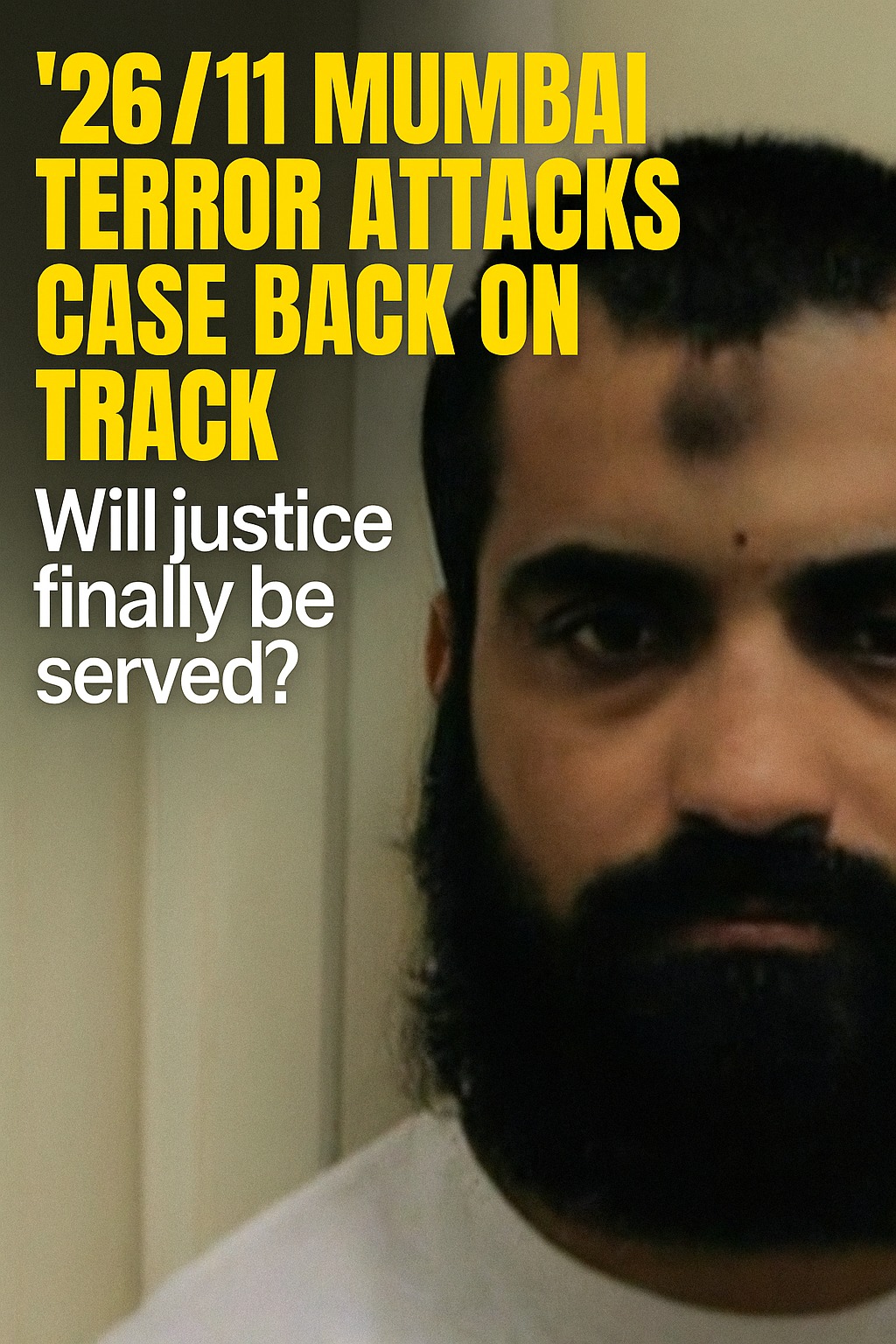
The Bombay High Court has given a major push to the long-pending ‘26/11 Mumbai Terror Attacks Case’ by allowing the trial against Zabiuddin Ansari, also known as Abu Jundal, to continue. The Court set aside a 2018 trial court order that had stopped the proceedings after a dispute over confidential documents. This decision means the long-delayed case can finally move forward.
Background of the ‘26/11 Mumbai Terror Attacks Case’
One of India’s most tragic and unforgettable events was the ‘26/11 Mumbai Terror Attacks Case’. On November 26, 2008, ten terrorists from Pakistan carried out attacks at multiple locations in Mumbai. In that attack approximately 166 people were killed and many others were injured. The entire nation was shaken by the brutal violence that lasted for nearly three days.
Abu Jundal, an alleged Lashkar-e-Taiba member, is accused of being one of the handlers who guided the terrorists from a control room in Karachi. He was arrested and later deported from Saudi Arabia to India in 2012. Since then, several trials have been going on against him, including the main ‘26/11 Mumbai Terror Attacks Case’.
What the High Court Said
The Bombay High Court quashed the trial court’s earlier order, which had directed the prosecution to share certain confidential documents with the accused. The Court said that the lower court’s order was wrong because those documents were sensitive and linked to national security. According to the High Court, while every accused person has the right to a fair trial, such rights cannot come at the cost of national interest.
Importance of This Decision
The ‘26/11 Mumbai Terror Attacks Case’, has been stuck for years due to legal complications. The families of the victims have been waiting for years to get closure. This decision brings hope for them that finally they will get justice.
Through this order the Court tries to balance between fairness to the accused with the need to protect the country’s security. It sends a strong message that though National tragedy is involved in a case but the legal procedures should not be slowed down.
What Happens Next in the ‘26/11 Mumbai Terror Attacks Case’
After the High Court’s order, the Mumbai sessions court will now restart the trial. The parties are planning to present key witnesses and important digital evidence in their favour.
Legal experts say that if things move smoothly, the trial in the ‘26/11 Mumbai Terror Attacks Case’ could finally reach its conclusion after years of delay.
Conclusion
The Bombay High Court’s ruling has breathed new life into the ‘26/11 Mumbai Terror Attacks Case’. However, the Judicial system has taken much time to bring justice for the victims of the Mumbai terror attacks. This decision is the reaffirmation of the saying that ‘justice delayed is not justice denied’, especially in cases that shook the entire nation.
About Author:
Ruchi Dalmia holds an LL.M. in Corporate Law and is building her career in the corporate legal field. She possesses strong skills in contract drafting, paralegal work, and legal research. Passionate about Corporate and Commercial Laws, she enjoys exploring how legal principles operate within real-world business contexts. Through her writing, Ruchi strives to make complex legal topics clear, practical, and accessible for readers.